




Resource Recycling
  • The Latest
  • Analysis
    • All
    • Certification Scorecard
    • Industry Announcements
    • Opinion
    The electronics recycling industry is undergoing a transformation from labor-intensive manual operations to highly automated, AI-driven facilities that use advanced robotics, cleaner chemistry and digital tracking systems to extract critical materials.

    The cyber-physical MRF: AI and robotics reshape e-waste recovery

    Certification scorecard for the week of Feb. 9, 2026

    Meta-Corning deal signals IT hardware retirement wave

    Meta-Corning deal signals IT hardware retirement wave

    Malaysia clamps down on illegal e-waste imports amid probes

    Malaysia clamps down on illegal e-waste imports amid probes

    URT builds alliance to remake electronics plastics at scale

    ICYMI: Top 5 e-scrap stories from January 2026

    The electronics recycling industry is undergoing a transformation from labor-intensive manual operations to highly automated, AI-driven facilities that use advanced robotics, cleaner chemistry and digital tracking systems to extract critical materials.

    Certification scorecard for the week of Feb. 2, 2026

    Auditors warn EU may fall short on critical metals

    Auditors warn EU may fall short on critical metals

    Industry announcements for January 2026

    Industry announcements for February 2026

    ICYMI: Top 5 recycling stories from January 2026

  • Conferences
  • Publications

    Other Topics

    Textiles
    Organics
    Packaging
    Glass
    Brand Owners

    Metals
    Technology
    Research
    Markets
    Grant Watch

    All Topics

Subscribe
No Result
View All Result
Resource Recycling
  • The Latest
  • Analysis
    • All
    • Certification Scorecard
    • Industry Announcements
    • Opinion
    The electronics recycling industry is undergoing a transformation from labor-intensive manual operations to highly automated, AI-driven facilities that use advanced robotics, cleaner chemistry and digital tracking systems to extract critical materials.

    The cyber-physical MRF: AI and robotics reshape e-waste recovery

    Certification scorecard for the week of Feb. 9, 2026

    Meta-Corning deal signals IT hardware retirement wave

    Meta-Corning deal signals IT hardware retirement wave

    Malaysia clamps down on illegal e-waste imports amid probes

    Malaysia clamps down on illegal e-waste imports amid probes

    URT builds alliance to remake electronics plastics at scale

    ICYMI: Top 5 e-scrap stories from January 2026

    The electronics recycling industry is undergoing a transformation from labor-intensive manual operations to highly automated, AI-driven facilities that use advanced robotics, cleaner chemistry and digital tracking systems to extract critical materials.

    Certification scorecard for the week of Feb. 2, 2026

    Auditors warn EU may fall short on critical metals

    Auditors warn EU may fall short on critical metals

    Industry announcements for January 2026

    Industry announcements for February 2026

    ICYMI: Top 5 recycling stories from January 2026

  • Conferences
  • Publications

    Other Topics

    Textiles
    Organics
    Packaging
    Glass
    Brand Owners

    Metals
    Technology
    Research
    Markets
    Grant Watch

    All Topics

Subscribe
No Result
View All Result
Resource Recycling
No Result
View All Result
Home Recycling

What’s driving the 3-7 plastic market?

Colin StaubbyColin Staub
May 18, 2021
in Recycling
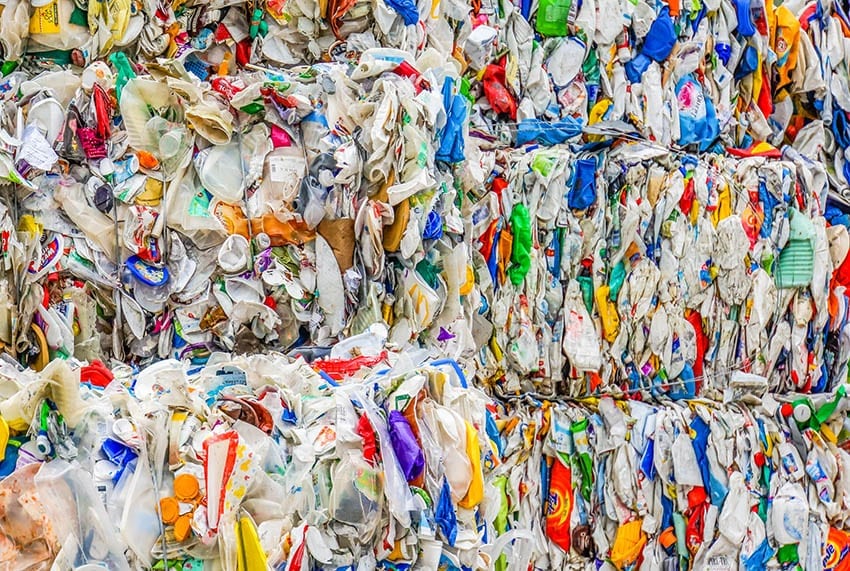
EFS-plastics described how virgin resin pricing and other factors are impacting the recycling sector. | Ann Moore / Shutterstock

The mixed-plastics processing sector is seeing supply challenges from product labeling changes and could be significantly disrupted by chemical recycling initiatives, according to one plastics processor.

During a recent virtual event held by the Northeast Resource Recovery Association (NRRA), Eadaoin Quinn, director of business development and procurement at EFS-plastics, described factors impacting the mixed-plastics industry.

EFS-plastics is a reclaimer with locations in Hazleton, Pa. and Listowel, Ontario that processes mixed-plastic bales and is a significant player in the North American reclamation landscape.

Supply and demand dynamics

Several external factors are currently influencing the mixed plastics sector. Quinn referenced the 2020 change to how PP is labeled in the How2Recycle labeling program, in which the resin was downgraded from “widely recyclable” to “check locally.” That was due to a decrease in collection access nationally, but also due to uncertainty in how much PP was truly being reprocessed after leaving the MRF.

Quinn noted the change was made for valid reasons, but that it has made things difficult difficult for reclaimers like EFS-plastics.

“We’re looking for more polypropylene, and now the public might be receiving the message that, their yogurt cups, they should be landfilling them,” Quinn said. “And even if your community is encouraging people to recycle yogurt cups, they might just be looking at the label and disposing of it.”

EFS-plastics is also paying close attention to extended producer responsibility (EPR) legislation being considered in states in the U.S. Quinn said that type of policy could inject more funding into the recycling system and increase diversion rates.

Additionally, the company is monitoring the chemical recycling sector, which has begun sourcing huge quantities of mixed plastic.

“We’re seeing more and more attention given to chemical recyclers, which could potentially drain some of the feedstock that we’re looking for. [It] might be going off to chemical recyclers, and none of them are yet operating at industrial scale,” Quinn said.

On the demand side, Quinn noted prices for post-consumer PE and PP are high right now. But the factors behind that price dynamic may have less to do with the plastics recycling sector than other factors.

“Unfortunately, that does not seem to be driven by the demand for specifically post-consumer material. It seems to be driven by the price of virgin plastic having increased,” Quinn said. Virgin pricing has increased, in part, because of the production downtime spurred by massive winter storms in Texas, she added.

“People are now willing to pay more for recycled plastic because they can’t get their hands on the virgin material,” Quinn said. “So when production goes fully back up to speed again on the virgin plastic side, we do anticipate that the price of the post-consumer plastic will decline again.”

Finally, Quinn touched on the common question of whether there is enough recycled resin supply to meet the projected demand from major brands increasing their PCR consumption. In general, industry experts say there is not enough PCR currently to meet incoming demand. But from a reclaimer’s perspective, Quinn offered a different take.

“Often they’re talking about, is there enough clear, food-grade material so that they can make packaging out of it?” Quinn said, and she acknowledged there is not enough of that specific PCR for packaging. “But from my perspective, is there the right demand to meet the supply?”

Residential recycling programs supply a great deal of colored, non-food-grade plastic, Quinn said, and that is not typically what brands are looking for in their recycled plastic use.

“What are we going to do with all this material that currently is collected, that we would like to see recycled, if the end market demand doesn’t match what is currently available?” she asked. “I don’t have the answer, but I think that is the question that needs to be posed, and we all need to be thinking about, how do we connect these two problems.”

On the hunt for ‘Goldilocks bales’

Quinn also described the material EFS-plastics is looking to source.

The company produces HDPE, LDPE and PP pellets, which are sold to some 45 different markets each month, Quinn said. They go into recycling containers, industrial corrugated piping, furniture, garbage bags, reusable grocery bags and more.

EFS-plastics is currently processing 45,000 metric tons of plastics per year. In any given month, EFS-plastics buys 100 different truckloads of 3-7 plastics in North America, Quinn said.

“We’re not recovering polystyrene or PVC, so the 3-7 is a really bad name,” she said. “We’re really looking for polypropylene and polyethylene, not all those random types of materials that could be in there.”

Quinn said the company is looking for “Goldilocks bales,” meaning those that are right in the middle between extremely contaminated and extremely clean.

“We don’t need the bales to be perfect,” she said. Some reclaimers are pushing for very clean PP bales, she noted, and those companies are willing to pay premiums to bring in that material. EFS-plastics has a different strategy.

“That’s really not how we’re set up,” she said. “We are anticipating quite a bit of contamination to be in there and we have very efficient ways to remove that contamination.”

Still, the company does not want to bring in the more serious contaminants that show up in MRFs, such as batteries or tanglers. EFS-plastics is looking for bales that have those major residual items removed, but that have not gone through the cleaning processes that raise their price.

“It’s surprisingly hard to find that middle ground,” Quinn said.

More and more MRFs are installing optical sorters to separate out PP and create specific bales for that resin. At the same time, others are producing a 3-7 bale that “truly is just the residue coming out of the MRF,” Quinns said.

EFS-plastics has different requirements for suppliers, based on where the supplying MRF is located. For example, for facilities that are closer to the company’s processing plants, EFS might accept bales with higher contamination levels, she said. But for suppliers farther away, on the West Coast, for example, “it really doesn’t make sense to ship a lot of waste all the way across the country, so we ask them to clean it up a bit more.”

 

Resource Recycling Conference - Virtual - Aug. 4-5, 2021

Tags: Industry GroupsMarketsPlastics
TweetShare
Colin Staub

Colin Staub

Colin Staub was a reporter and associate editor at Resource Recycling until August 2025.

Related Posts

Focus on recycling film, flexibles takes shape in two reports

byAntoinette Smith
February 13, 2026

The US Plastics Pact and the Alliance to End Plastic Waste released reports outlining necessary steps to improving recycling outcomes...

Bipartisan reps introduce bill on recycling claims

Bipartisan reps introduce bill on recycling claims

byAntoinette Smith
February 12, 2026

Legislators introduced the Recycled Materials Attribution Act in the US House, drawing support from a new industry group and scrutiny...

APR, industry create proactive guidance for PET caps

byAntoinette Smith
February 12, 2026

The Association of Plastic Recyclers recognized that developing guidelines before PET caps were completely developed and commercialized was crucial, and...

NERC: Blended average prices fell 40% in third quarter

HDPE, PP bales rise as paper fiber and cans stabilize

byRecyclingMarkets.net Staff
February 12, 2026

National average prices of post-consumer material bales were flat to higher on the month.

Terex beats ESG integration targets as REV group merger closes

byStefanie Valentic
February 11, 2026

Terex exceeded $25 million in ESG integration synergy targets and completed its REV Group merger, expanding its specialty equipment platform...

APR expands recycling efforts in Mexico, Latin America

byAntoinette Smith
February 11, 2026

The organization aims to leverage Mexico's leadership in plastics recycling and vital role in North American markets.

Load More
Next Post

How Northeast facilities have adjusted to COVID-19

More Posts

Oregon’s Recycling Modernization Act faces injunction

Court partially blocks Oregon EPR law, dismisses bulk of lawsuit

February 10, 2026
Chinese processing group details goals for US visit

AMP lays out vision of next-generation, AI-driven MRFs

July 24, 2024
Malaysia clamps down on illegal e-waste imports amid probes

Malaysia clamps down on illegal e-waste imports amid probes

February 6, 2026

REUSE Act heads to US House for consideration

February 9, 2026
Meta-Corning deal signals IT hardware retirement wave

Meta-Corning deal signals IT hardware retirement wave

February 9, 2026

ecoATM recycled 7.5M phones in 2025 as payouts hit $1.5B

February 10, 2026
Texas sues over dumped wind turbine blades

Texas sues over dumped wind turbine blades

February 10, 2026

APR, industry create proactive guidance for PET caps

February 12, 2026

Alpek talks PET overcapacity, soft demand

February 11, 2026
The electronics recycling industry is undergoing a transformation from labor-intensive manual operations to highly automated, AI-driven facilities that use advanced robotics, cleaner chemistry and digital tracking systems to extract critical materials.

The cyber-physical MRF: AI and robotics reshape e-waste recovery

February 12, 2026
Load More

About & Publications

About Us

Staff

Archive

Magazine

Work With Us

Advertise
Jobs
Contact
Terms and Privacy

Newsletter

Get the latest recycling news and analysis delivered to your inbox every week. Stay ahead on industry trends, policy updates, and insights from programs, processors, and innovators.

Subscribe

Welcome Back!

Login to your account below

Forgotten Password?

Retrieve your password

Please enter your username or email address to reset your password.

Log In

Add New Playlist

No Result
View All Result
  • The Latest
  • Analysis
  • Recycling
  • E-Scrap
  • Plastics
  • Policy Now
  • Conferences
    • E-Scrap Conference
    • Plastics Recycling Conference
    • Resource Recycling Conference
    • Textiles Recovery Summit
  • Magazine
  • About Us
  • Advertise
  • Archive
  • Jobs
  • Staff
Subscribe
This website uses cookies. By continuing to use this website you are giving consent to cookies being used. Visit our Privacy and Cookie Policy.