











Mexico-headquartered Arca Continental will invest about $1 billion across its operations in 2026, the major Coca-Cola bottler announced alongside progress toward its recycling targets.
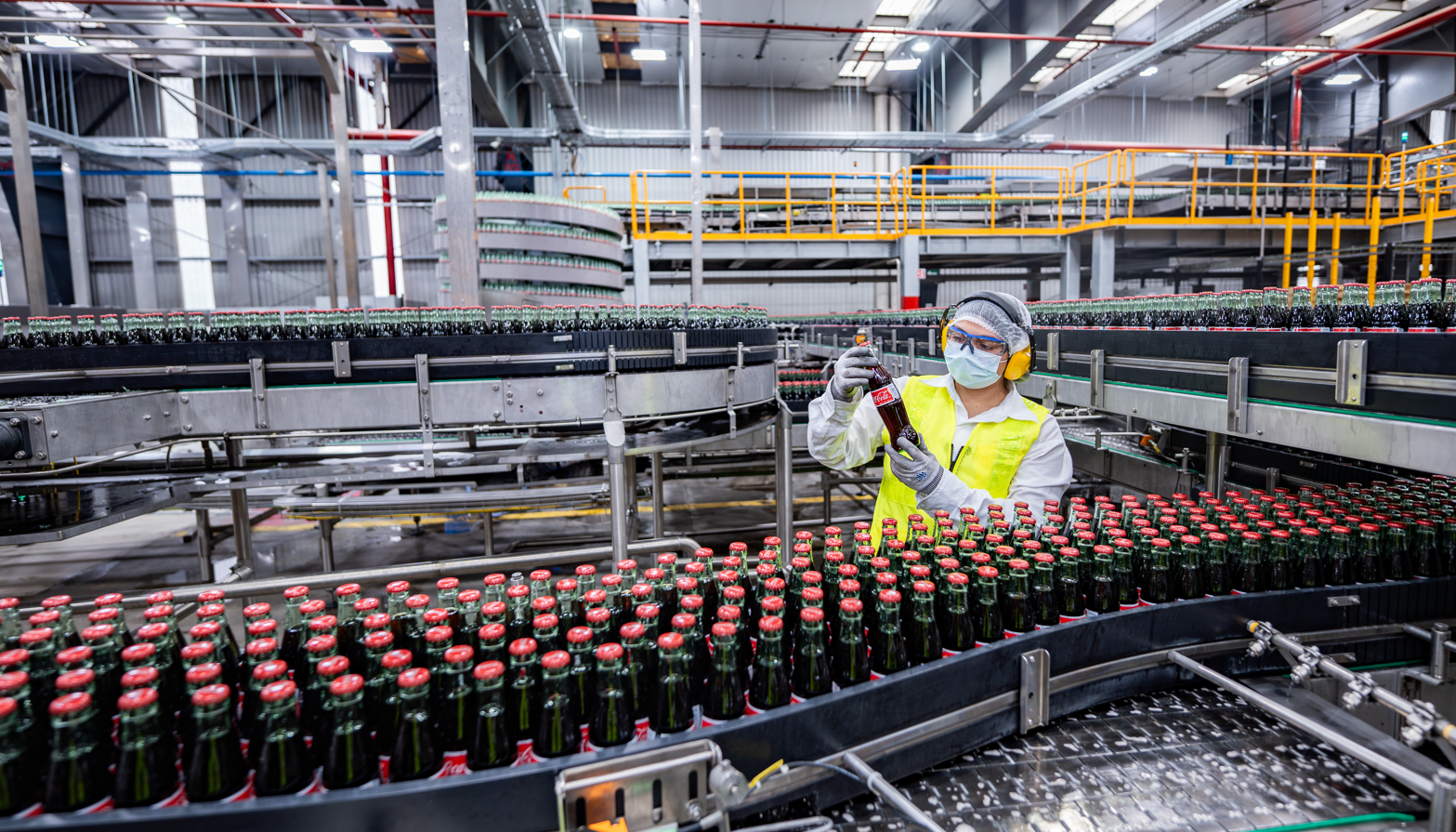
About half of the money will be invested in Mexico, with the rest allocated to the US and South America. The money primarily will go toward increasing capacity for production and distribution, accelerating the use of digital tools, launching new beverage categories and strengthening its sustainable business model, according to a March 24 press release.
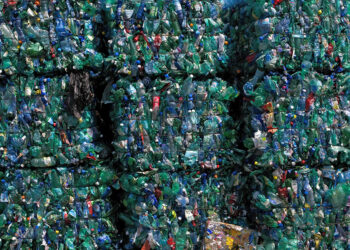
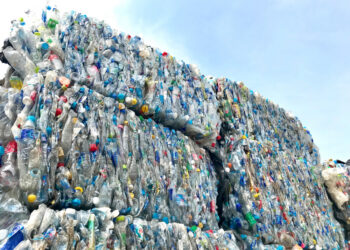
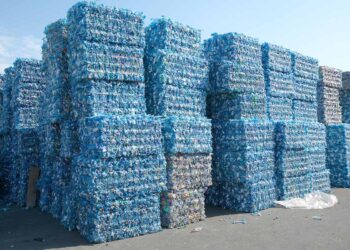
In the annual report, the company pointed to its $150 million investment in a 70% increase in capacity at PetStar, the world’s largest food-grade PET recycling plant. With shareholders including Arca Continental and Coca-Cola México, the facility processes more than 5.5 billion bottles annually and uses 90% less water than virgin PET production.
Arca also tripled its bottle collection network from 8 to 24 centers, and in 2025 recovered 68% of the bottles by weight that it had placed in the market, the report said.
Those efforts contributed to an increase in Arca’s average recycled resin content in its packaging to 36.6%, from 30.3% in 2024. By 2030, the company aims to have 50% average recycled content. The 2019 baseline was 24.7%.
Collection infrastructure and community education initiatives included “Con Todo por Favor (Give all back, please)” in Mexico, which installed bins and community recycling stations in parks and other public spaces. Movie theater chain Cinépolis also features these bins, in addition to showing on-screen educational materials about bottle recycling. “By bringing collection infrastructure directly to the people, the company fosters an environment where consumers of all ages can engage in collective learning,” Arca said in the report.
The report said: “Arca Continental serves as a driver of regional development, recognizing that strengthening local suppliers simultaneously bolsters business competitiveness and the well-being of the communities where it operates.”
Vertically integrating the supply chain
As work toward its social and environmental goals, the company noted “vertical integrations that secure strategic inputs and expand business opportunities. In this context, the development of PetStar stands out as a cornerstone of the circular economy for the Coca-Cola System and the entire country.” The report went on to say the facility’s value chain includes more than 49,000 urban waste pickers.
Arca also pointed to strategic investments in packaging design to ensure recyclability, lightweighting and PCR content. As such, the company views its variety of packaging formats as a way to integrate “circularity as a differentiating factor while actively participating in public discussions aimed at addressing the root causes of plastic leakage into the environment.” The report added that integration is not limited to supply of raw materials, but also extends to partnerships to enable traceability, operational efficiency and optimized regional response times.
“These linkages enable the diversification of sources, maintain delivery standards, and sustain a cycle of continuous improvement. The result is a supply chain with greater control over critical inputs, prepared for shifting scenarios and committed to mutual growth,” the report said.
Financial risks of environmental concerns
The company also noted the financial consequences of insufficiently managing such environmental issues as water security and plastics usage. For the former, operational continuity, production costs and access to financing can be casualties of poor access and quality of water.
The risks associated with the transition toward circular production and consumption, focused on product and packaging design for reuse, recycling, and waste reduction, include additional operating costs, monetary penalties, loss of competitiveness, and negative impacts on cash flows and access to capital.
Arca Continental is the second-largest Coke bottler in Latin America and among the biggest globally, with operations in Mexico, the US, Peru, Ecuador and Argentina.
With Mexico co-hosting soccer’s World Cup this year, the Coca-Cola Company has begun a related advertising campaign, according to executives during a February investor call.
And in early March at Citi’s Global Consumer & Retail Conference, Coke CFO John Murphy said he expected the beverage giant’s business in Mexico to continue to be resilient. “I don’t know how many iterations of pivot have happened across Latin America, whether it’s a tax increase, a geopolitical issue, a macroeconomic issue. And it actually inspires, I think, many of our colleagues around the world on how it’s possible with the right mindset to overcome whatever gets thrown at you,” he said.
The Coca-Cola Company makes and sells beverage concentrates and syrups to independent bottling franchisees across the globe, who manufacture, package, merchandise and distribute the branded beverages. Coca-Cola also owns bottling operations in Southeast and Southwest Asia and in parts of Africa.