











Resource Recycling
  • The Latest
  • Analysis
    • All
    • Certification Scorecard
    • Industry Announcements
    • Opinion
    The electronics recycling industry is undergoing a transformation from labor-intensive manual operations to highly automated, AI-driven facilities that use advanced robotics, cleaner chemistry and digital tracking systems to extract critical materials.

    The cyber-physical MRF: AI and robotics reshape e-waste recovery

    Certification scorecard for the week of Feb. 9, 2026

    Meta-Corning deal signals IT hardware retirement wave

    Meta-Corning deal signals IT hardware retirement wave

    Malaysia clamps down on illegal e-waste imports amid probes

    Malaysia clamps down on illegal e-waste imports amid probes

    URT builds alliance to remake electronics plastics at scale

    ICYMI: Top 5 e-scrap stories from January 2026

    The electronics recycling industry is undergoing a transformation from labor-intensive manual operations to highly automated, AI-driven facilities that use advanced robotics, cleaner chemistry and digital tracking systems to extract critical materials.

    Certification scorecard for the week of Feb. 2, 2026

    Auditors warn EU may fall short on critical metals

    Auditors warn EU may fall short on critical metals

    Industry announcements for January 2026

    Industry announcements for February 2026

    ICYMI: Top 5 recycling stories from January 2026

  • Conferences
  • Publications

    Other Topics

    Textiles
    Organics
    Packaging
    Glass
    Brand Owners

    Metals
    Technology
    Research
    Markets
    Grant Watch

    All Topics

Subscribe
No Result
View All Result
Resource Recycling
  • The Latest
  • Analysis
    • All
    • Certification Scorecard
    • Industry Announcements
    • Opinion
    The electronics recycling industry is undergoing a transformation from labor-intensive manual operations to highly automated, AI-driven facilities that use advanced robotics, cleaner chemistry and digital tracking systems to extract critical materials.

    The cyber-physical MRF: AI and robotics reshape e-waste recovery

    Certification scorecard for the week of Feb. 9, 2026

    Meta-Corning deal signals IT hardware retirement wave

    Meta-Corning deal signals IT hardware retirement wave

    Malaysia clamps down on illegal e-waste imports amid probes

    Malaysia clamps down on illegal e-waste imports amid probes

    URT builds alliance to remake electronics plastics at scale

    ICYMI: Top 5 e-scrap stories from January 2026

    The electronics recycling industry is undergoing a transformation from labor-intensive manual operations to highly automated, AI-driven facilities that use advanced robotics, cleaner chemistry and digital tracking systems to extract critical materials.

    Certification scorecard for the week of Feb. 2, 2026

    Auditors warn EU may fall short on critical metals

    Auditors warn EU may fall short on critical metals

    Industry announcements for January 2026

    Industry announcements for February 2026

    ICYMI: Top 5 recycling stories from January 2026

  • Conferences
  • Publications

    Other Topics

    Textiles
    Organics
    Packaging
    Glass
    Brand Owners

    Metals
    Technology
    Research
    Markets
    Grant Watch

    All Topics

Subscribe
No Result
View All Result
Resource Recycling
No Result
View All Result
Home Plastics

ACC report shows rises in rigid and film recycling

byEditorial Staff
February 3, 2016
in Plastics

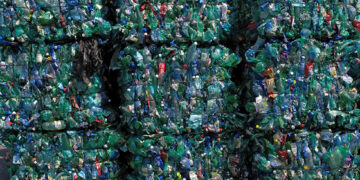
Rigid plastics / Alex BussThe American Chemistry Council has shared some uplifting news this week: Rigid plastics recycling grew 27 percent by weight in 2014, and film recycling also increased.

Those findings were shared in the form of two separate reports released Tuesday.

“Over the years we’ve been tracking very strong growth in both rigids and film,” Keith Christman, managing director of plastics markets for the Washington D.C.-based group, told Plastics Recycling Update. “If you look back historically, the amount of non-bottle rigids we recycled in 2014 is four times greater than in 2007. Similarly with film, we’ve grown 79 percent since 2005.”

“The overall trend is just amazing in terms of how much overall recycling is now happening for these two materials that are somewhat new to most folks,” Christman said.

The 2014 National Postconsumer Non-Bottle Rigid Plastic Recycling report estimates that 1.28 billion pounds of non-bottle rigid plastics – including items such as food containers, caps, lids and more – were collected for recycling in 2014, an increase of about 27 percent over 2013’s total of 1.01 billion pounds. Just under two-thirds of the 2014 haul – 64 percent – was handled domestically.

According to ACC’s Christman, access to non-bottle rigid recycling has seen a “dramatic” increase in recent years, which has consequently led to a large amount of the material entering the U.S. recycling stream.

“When we first started this report in 2007, less than 40 percent of people could recycle their non-bottle rigids. In 2012, that number grew to over 60 percent, and we think access has continued to go up,” Christman said.

On the film front, the 2014 National Postconsumer Plastic Bag and Film Recycling Report showed that 1.17 billion pounds of film, which includes residential and commercial bags and wraps, were recycled in 2014, 3 percent above 2013’s total of 1.14 billion pounds. About 45 percent of that film was recycled domestically.

ACC’s film recycling awareness program, WRAP, is now active in Wisconsin, North Carolina and Washington, pushing consumers to drop off film and bags at in-store locations. Christman said there’s “very strong growth in the collection of bags and film at the front of the store and huge opportunities to increase that as we get more consistent messages to the public, and also at the same time we see reduced contamination at materials recovery facilities (MRFs).”

An effort in Vancouver, Wash., which was the subject of another ACC report released this week, led to the doubling of in-store collection and a sizable decrease in contamination at MRFs.


Tags: Industry Groups
TweetShare
Editorial Staff

Editorial Staff

Related Posts

Focus on recycling film, flexibles takes shape in two reports

byAntoinette Smith
February 13, 2026

The US Plastics Pact and the Alliance to End Plastic Waste released reports outlining necessary steps to improving recycling outcomes...

Bipartisan reps introduce bill on recycling claims

Bipartisan reps introduce bill on recycling claims

byAntoinette Smith
February 12, 2026

Legislators introduced the Recycled Materials Attribution Act in the US House, drawing support from a new industry group and scrutiny...

APR, industry create proactive guidance for PET caps

byAntoinette Smith
February 12, 2026

The Association of Plastic Recyclers recognized that developing guidelines before PET caps were completely developed and commercialized was crucial, and...

APR expands recycling efforts in Mexico, Latin America

byAntoinette Smith
February 11, 2026

The organization aims to leverage Mexico's leadership in plastics recycling and vital role in North American markets.

Member states select new chair for global plastics treaty

Member states select new chair for global plastics treaty

byAntoinette Smith
February 10, 2026

During a short session, the Intergovernmental Negotiating Committee elected Chilean diplomat Julio Cordano to continue efforts toward an internationally binding...

SWANA hires new executive director

SWANA partners with Product Stewardship Institute

byStefanie Valentic
February 4, 2026

The Solid Waste Association of North America and the Product Stewardship Institute are formalizing their collaboration to address materials management...

Load More
Next Post

Showcase highlights innovative inventions

More Posts

Oregon’s Recycling Modernization Act faces injunction

Court partially blocks Oregon EPR law, dismisses bulk of lawsuit

February 10, 2026
Chinese processing group details goals for US visit

AMP lays out vision of next-generation, AI-driven MRFs

July 24, 2024
Malaysia clamps down on illegal e-waste imports amid probes

Malaysia clamps down on illegal e-waste imports amid probes

February 6, 2026

REUSE Act heads to US House for consideration

February 9, 2026
Meta-Corning deal signals IT hardware retirement wave

Meta-Corning deal signals IT hardware retirement wave

February 9, 2026

ecoATM recycled 7.5M phones in 2025 as payouts hit $1.5B

February 10, 2026
Texas sues over dumped wind turbine blades

Texas sues over dumped wind turbine blades

February 10, 2026

Alpek talks PET overcapacity, soft demand

February 11, 2026

APR, industry create proactive guidance for PET caps

February 12, 2026
The electronics recycling industry is undergoing a transformation from labor-intensive manual operations to highly automated, AI-driven facilities that use advanced robotics, cleaner chemistry and digital tracking systems to extract critical materials.

The cyber-physical MRF: AI and robotics reshape e-waste recovery

February 12, 2026
Load More

About & Publications

About Us

Staff

Archive

Magazine

Work With Us

Advertise
Jobs
Contact
Terms and Privacy

Newsletter

Get the latest recycling news and analysis delivered to your inbox every week. Stay ahead on industry trends, policy updates, and insights from programs, processors, and innovators.

Subscribe

Welcome Back!

Login to your account below

Forgotten Password?

Retrieve your password

Please enter your username or email address to reset your password.

Log In

Add New Playlist

No Result
View All Result
  • The Latest
  • Analysis
  • Recycling
  • E-Scrap
  • Plastics
  • Policy Now
  • Conferences
    • E-Scrap Conference
    • Plastics Recycling Conference
    • Resource Recycling Conference
    • Textiles Recovery Summit
  • Magazine
  • About Us
  • Advertise
  • Archive
  • Jobs
  • Staff
Subscribe
This website uses cookies. By continuing to use this website you are giving consent to cookies being used. Visit our Privacy and Cookie Policy.