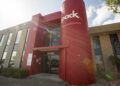










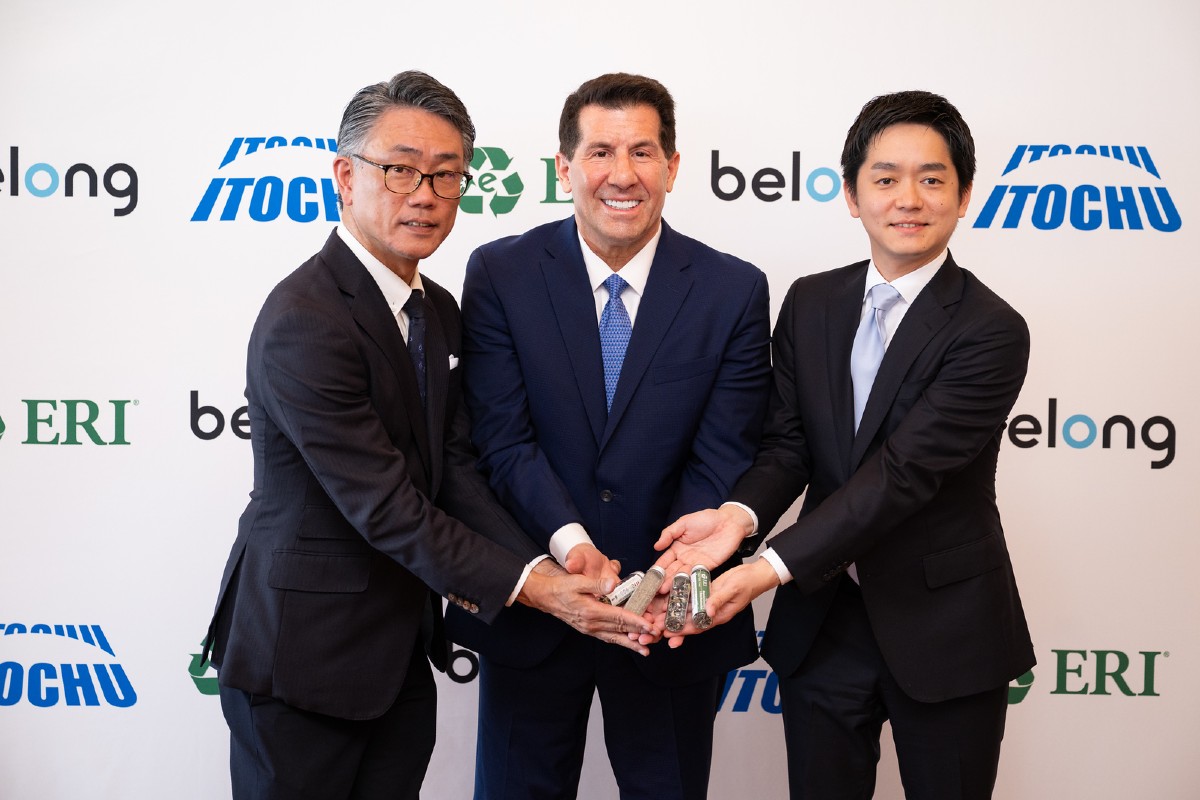
US-based electronics recycler and IT asset disposition (ITAD) provider ERI has formed a 50-50 joint venture with Itochu Corporation to launch operations in Japan, the companies announced March 24.
The new entity, ERI Japan, represents ERI’s first owned and branded operation outside the United States. Itochu’s investment is being made through its wholly owned subsidiary Belong Inc., according to the announcement. Koichiro Nishimura, CEO of Belong, has been named CEO of ERI Japan.
The partners said the venture will combine ERI’s processing, data destruction and materials recovery capabilities with Itochu’s domestic and international trading networks. Operations are expected to begin later in 2026.
Entry into a tightly regulated, high-volume market
Japan is one of the world’s largest generators of electronic waste, producing an estimated 2.6 million metric tons in 2022, according to data from the Global E-waste Monitor, a collaborative publication of the United Nations Institute for Training and Research, the International Telecommunication Union, and the International Solid Waste Association. The country has established one of the more structured regulatory frameworks for electronics recycling, including the Home Appliance Recycling Law and Small Waste Electrical and Electronic Equipment Recycling Act.
Despite this framework, Japan’s recycling rate for electronic devices is only around 20%, Nishimura noted in a statement, adding that “recovering and recycling Japan’s ‘urban mines’ is crucial to reducing environmental impact and promoting sustainability.”
Japan’s combination of high device density, strict environmental standards, and mature manufacturing base makes it a strategic entry point for companies seeking to deploy more advanced circular processing technologies.
Strategic alignment between trading and processing capabilities
Itochu, one of Japan’s largest sogo shosha trading houses, reported revenue of approximately ¥14.7 trillion, roughly $98 billion, for the fiscal year ending March 2025. The company has broad exposure across technology distribution, consumer electronics, and global commodities markets.
The joint venture structure suggests a model where Itochu provides upstream sourcing and downstream market access, while ERI contributes processing infrastructure and ITAD capabilities. Itochu also plans to acquire a stake in ERI itself, though details of that investment were not disclosed.
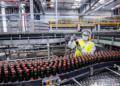
ERI said it has processed more than 2.5 billion pounds of electronic waste in the United States and operates eight facilities nationwide. The company provides services including secure data destruction, remarketing, recycling, logistics and compliance management.
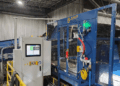
The company has also invested in automation technologies, including AI-assisted image recognition sorting and robotic systems for post-shredding separation, which are expected to be deployed in the Japanese operation.
Cross-border circularity and supply chain implications
The launch comes at a time when global supply chains for secondary materials, particularly metals recovered from electronics, are under pressure from both geopolitical disruptions and rising demand linked to electrification and digital infrastructure.
Japan remains a major consumer of refined metals and components, but has limited domestic natural resources, increasing the strategic value of urban mining and electronics recycling.
By establishing a local processing presence, ERI and Itochu are positioning the venture to retain material flows within Japan while potentially linking recovered outputs to broader global markets through Itochu’s trading network.
ERI CEO John Shegerian said the work “will be done in a radically transparent, end-to-end closed loop manner where materials will be kept out of landfills, responsibly recycled, and put back into the circular economy to produce new products in Japan.”
First international foothold for ERI
ERI has previously operated through audited ITAD and recycling partners in over 140 countries but had not established an owned facility outside the U.S. prior to this announcement.
The move reflects a broader trend among ITAD and electronics recycling firms seeking to expand beyond domestic markets, particularly in regions with strong regulatory drivers and high-value material streams.
Daisuke Inoue, Itochu’s deputy general manager, said the partnership aims to “enhance the overall sophistication of the IT equipment lifecycle in Japan” by combining Belong’s reuse and distribution capabilities with ERI’s recycling technologies and traceability.
ERI Japan is expected to begin operations later this year.