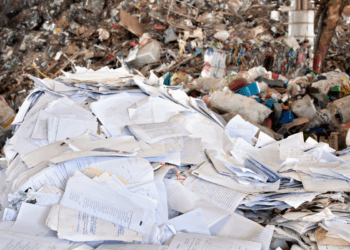


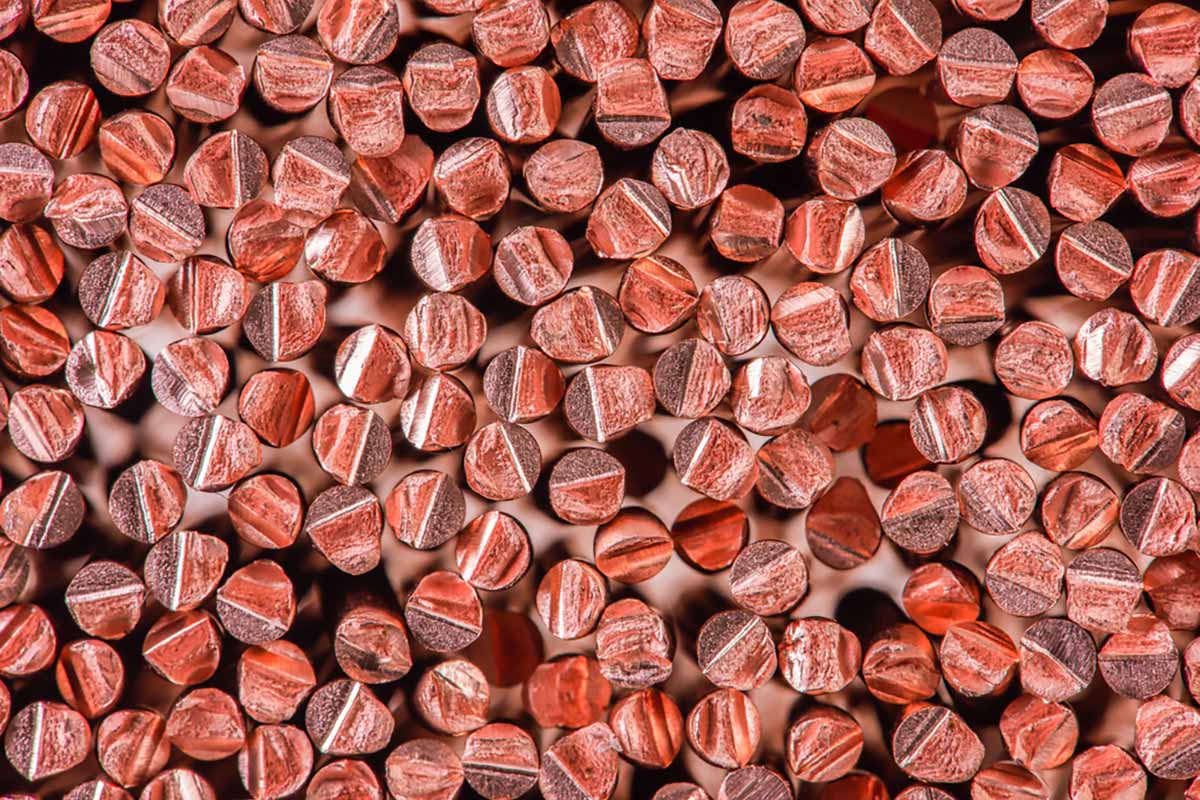











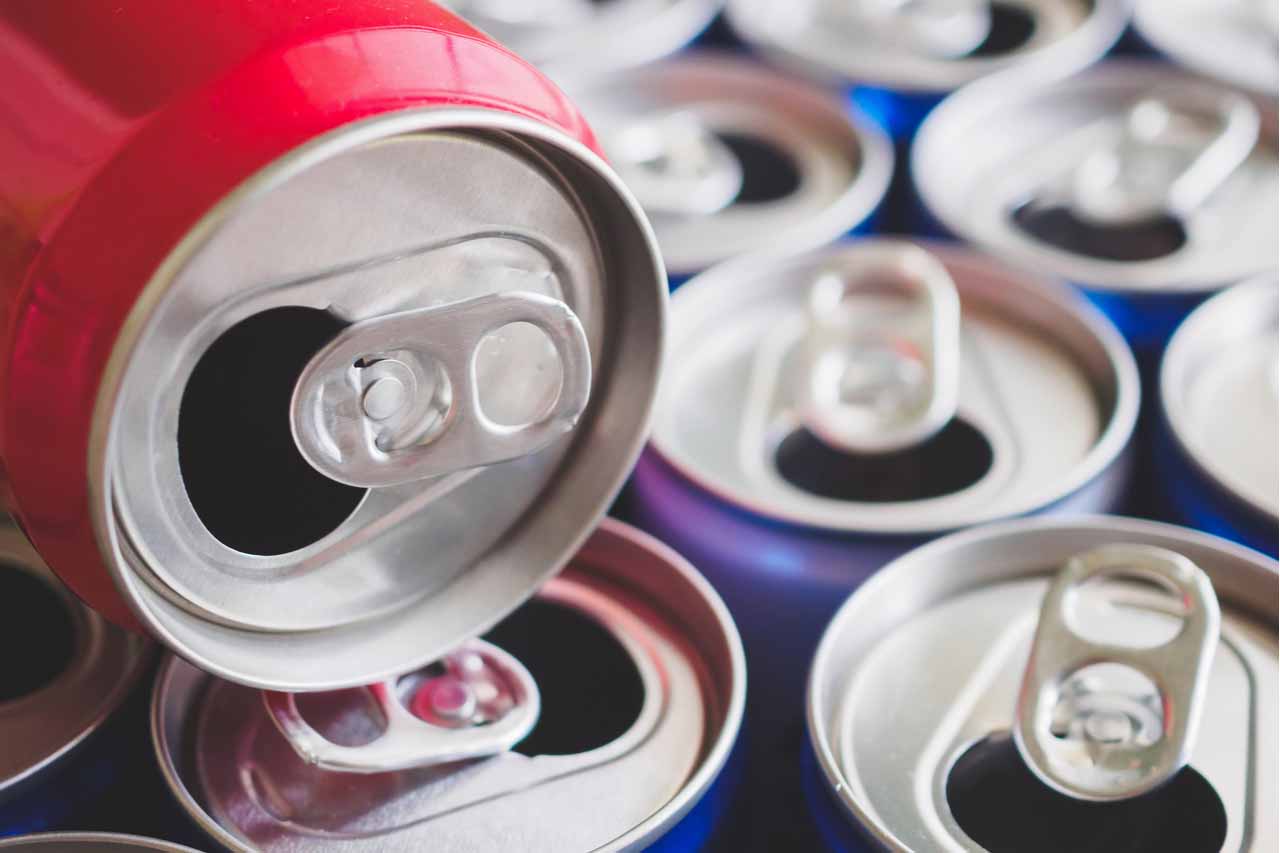
An overhaul of Section 232 steel, aluminum and copper derivative products tariffs program which took effect April 6 cuts duty rates on recycling equipment, but organizations representing American farmers, recyclers and manufacturers warn the changes still leave domestic producers at a disadvantage against cheaper foreign imports.
Recyclers importing equipment have been overpaying on tariffs due to a lack of clear guidance from US Customs and Border Protection, which has routinely applied the 50% Section 232 duty to the full value of imported goods rather than just the metal content as the program intended, according to the Recycled Materials Association (ReMa).
“As with many capital-intensive, low margin industries, such as recycling, increases in costs for equipment and machinery in the form of new tariffs cannot be passed through to manufacturers that consume recycled materials,” wrote Adam Shaffer, ReMa vice president of international trade and global affairs.
Under the new framework, imported products with at least 15% metal content face a flat 25% duty on the full product value. Those that fall below that threshold are exempt from Section 232 derivatives duties. Certain industrial and electrical grid equipment received a further reduced rate of 15% through 2027.
“These measures will ensure that the steel tariff program operates effectively and efficiently and will ensure the long-term durability of the Section 232 tariffs, which remain essential to address the adverse impacts of global steel excess capacity that continues to grow due to foreign subsidies and other trade-distorting practices,” said Kevin Dempsey, president and CEO of the American Iron and Steel Institute.
While equipment that keeps scrap facilities running just got less expensive to import, other sectors of the waste and recycling industry say the tariffs support foreign importing.
While shredder wear parts and material handlers used by recyclers will now fall under the reduced 25% derivative duty, down from 50%, industries relying on metal packaging such as can manufacturers, food producers and craft brewers, expressed frustration that foreign-made canned goods still benefit from a competitive pricing advantage over domestically produced ones.
Scott Breen, president and CEO of the Can Manufacturers Institute, said the adjustments preserve a structural advantage for foreign competitors, keeping production costs elevated for domestic can producers while allowing foreign canned goods from China and other countries to enter the US market at lower rates.
“These tariff rate adjustments keep the status quo,” he said, calling it “the opposite of an America First trade agenda.”
“Keeping foreign canned goods at lower tariffs undermines President Trump’s promises to make groceries affordable again, support American manufacturing and prioritize American farmers. The Trump Administration must provide immediate, targeted tariff relief for US. can manufacturers and food producers, which will support those key sectors and lower the cost of critical U.S. canned goods,” Breen said.
The Trump Administration also has ended the process by which industries could request new products be included under Section 232 derivative duties. The Commerce Department never issued decisions from the second round of inclusion requests, meaning many products hoping to gain tariff protection were left without it.
“Already, more than a dozen American fruit and vegetable canners have been driven out of business by cheap foreign imports,” said Denise Bode, American Fruit & Vegetable Coalition coordinator. “America has become a net food importer, and the lack of action to stop these imports is making this trade imbalance even worse.”