





A bill extending a deadline for a potential chemical recycling pilot project in Illinois is reigniting debate over how to regulate chemical recycling.
The Illinois legislation, HB 1616, amends a previous bill passed in 2019 to extend the deadline for permitting and construction of a pilot pyrolysis or gasification facility in a locally zoned and approved site in either Will County or Grundy County by two years, from 2025 to 2027.
On March 14 the Illinois legislation was set for a third reading in the House. If it passes the House vote, it will move to the Senate. The deadline for it to move forward is March 31.
However, environmental groups are raising the alarm that the push to ease the path for certain kinds of chemical recycling processes could have serious public health and environmental consequences.
“The petrochemical industry is lobbying hard across the country to build chemical recycling plants, which they claim turn hard-to-recycle plastics back into monomers – the basic building blocks of plastics,” three environmental NGOs noted in a statement released March 15. “However, the reality is that pyrolysis, gasification and similar chemical recycling technologies are much closer to incineration in that they all result in burning plastics to create energy.”
Discussion across the country
The terms “chemical recycling” and “advanced recycling” generally refer to a wide array of processes that use heat, pressure and solvents to break down the molecular chains of polymers into liquids or gasses that can then be processed into fuels, oils, waxes, new plastics or other chemical products.
These processes have been the focus of an increasing number of bills in state legislatures across the U.S.
Recently, Utah became the 22nd state to adopt legislation that regulates chemical recycling as manufacturing instead of waste disposal. Utah’s HB 493 passed along bipartisan lines and was signed by the governor on March 14.
The pending legislation in Illinois is focused only on permitting in two counties, but it has generated debate that’s similar to what has unfolded elsewhere across the country, with petrochemical and business advocates on one side and environmental groups on the other.
In Illinois, HB 1616 is supported by the Illinois Manufacturers’ Association, Illinois State Chamber of Commerce, Recyclers Coalition of Illinois, AFL-CIO, IBEW, Operating Engineers and Pipefitters Union.
It’s opposed by several local and national environmental groups, including those that held a March 15 press conference opposing the bill and released the statement: the Illinois Environmental Council, the Alliance for the Great Lakes and Ocean Conservancy.
At the press conference, Anja Brandon, associate director of U.S. plastics policy at Ocean Conservancy, said lawmakers are “trying to pass this bill as fast as humanly possible before it can get scrutiny.”
“They don’t need the special exemption or legislation to give a blank check to go build a facility, especially when we don’t know who they’re giving that check to,” she added.
Amending a previous law
The original law, HB 2491, passed in 2019. It allowed for pilot pyrolysis or gasification facilities to be built in Will County or Grundy County, “provided that permitting and construction has commenced prior to July 1, 2025.” Failing that, the law would be automatically repealed.
It calls for the pilot to be “permitted for a locally zoned and approved site” and to take uncontaminated plastic feedstock “to the extent allowed by federal law.”
If those plastics were “returned to the economic mainstream in the form of raw materials or products,” they would be considered recycled and not subject to regulation as waste, the law states.
HB 2491 also gave the state EPA permission to propose standards for materials accepted as feedstocks, standards for the management of feedstocks and “any other rules as may be necessary.” It has not yet done so.
The new bill would change only the cut-off date.
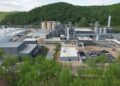
The press release from the three environmental organizations said the proposed bill would bypass Illinois EPA’s permitting and review process and “allow for the building of a chemical recycling plant near Joliet, IL, a community already impacted by concentrated levels of unhealthy air pollution.”
Brandon said the bigger picture is the push by the industry to classify chemical recycling as manufacturing rather than waste management, which is intended to “skirt environmental permitting”
Andrea Densham, senior strategic advisor for the Alliance for the Great Lakes, added that the goal is to ensure any project go through proper EPA permitting,” and that she has “concerns with the technology itself.”
These concerns were present with the original bill, Jen Walling, executive director at the Illinois Environmental Council, said at the press conference, but she did not have the votes to block it then. Instead, it was reduced from a statewide bill to covering only two counties.
Walling said her primary concerns were the lack of clarity and transparency, because neither the bill nor the law lays out what a permit would look like. She said it appears pilot projects “would not have to go through the normal permitting process for a facility that has hazardous waste and lots of emissions.”
She added that even though the original law allowed the state EPA to adopt rules, it still has not done so and she’s worried an expedited permit will be given anyway “because the law says they have to give it.”
“This is a facility that has always been a concern and in the years since it has passed it is no longer a pilot project,” she said, because there are operating chemical recycling plants throughout the country and “we know that they are polluting facilities. We know what they do.”
Walling added that such facilities could still be built in the state without the provisions in the bill and “they would just need to follow normal environmental laws.”
Brandon added that long delays in permitting and building chemical recycling facilities are common, due to the expenses involved.
“The vast majority of them that have been planned have been delayed or are operating under capacity, if they are operating at all,” she noted.
So far, no companies have publicly announced interest in building a pilot project under the existing law. Brandon said while ExxonMobil and INEOS have publicly talked about building out chemical recycling in Illinois, it’s not clear whether either of those companies are pushing the bill behind the scenes.
Walling said somebody knows who the industry backers are, “but it hasn’t been announced to the public.”
Bill supporters
Mark Biel, CEO of the Chemical Industry Council of Illinois, told Resource Recycling that HB 1616 is only meant to extend the deadline “to accommodate delays caused by COVID.”
He said Ocean Conservancy and the other groups are “trying to capitalize on those delays to reverse the intent of Illinois’ elected officials.”
“We appreciate Rep. Walsh’s efforts to help the state of Illinois keep plastics in the economy and out of the environment,” he added, referring to the sponsor of HB 1616, Rep. Larry Walsh, Jr, a Democrat.
Matthew Kastner, American Chemistry Council director of media relations in the plastics division, said it was “unfortunate that the Ocean Conservancy is trying to stop important capital investment in Illinois that will create jobs, keep more plastics out of the environment and advance sound environmental policy.”
Illinois lawmakers are also considering an extended producer responsibility bill for plastic and packaging, SB 1555.
Brandon said HB 1616 is “on a parallel track to that law” and if passed, it would hamper efforts to build effective extended producer responsibility programs, because “these facilities are locking us into infrastructure that is designed to be wasteful.”
She said if chemical recycling is counted toward EPR targets, “we’re never going to achieve real extended producer responsibility.”
“It’s really important that we set up an extended producer responsibility program for success with strong definitions, strong rates, strong targets, that would exclude these types of harmful chemical recycling facilities,” Brandon said. “But they’re trying to move this as quickly as possible to get it in before any of that could be set up to deal with the systems issues in Illinois.”
Walling added that there have been efforts to include chemical recycling in the recycling rate in the EPR bill, and the original draft of the bill included a study on advanced recycling.
“We are strongly opposed to it as an item,” she said. “We brought it to the promoters of the bill and other stakeholders saying ‘no way.’ This is not recycling. It is disposal. It’s incineration.”