
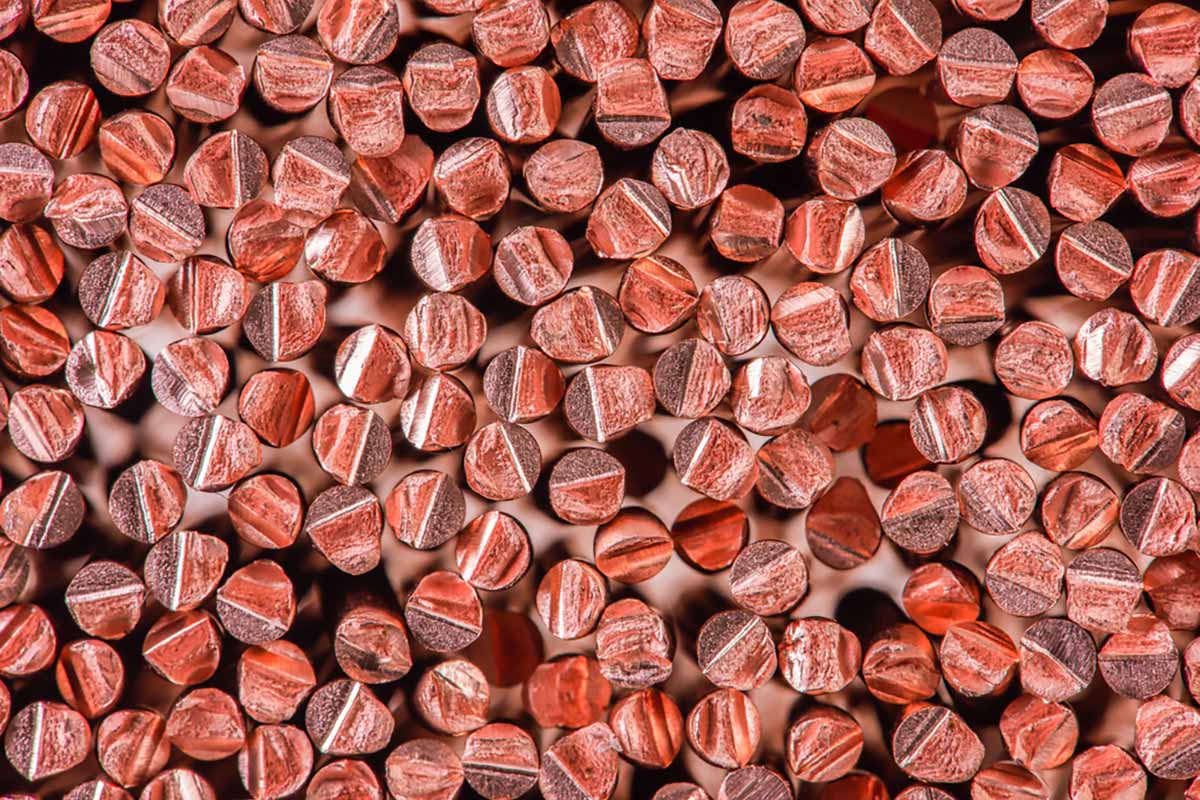









A coalition of industries and businesses that rely on tungsten is urging the U.S. Department of Commerce to consider export controls on tungsten scrap, arguing that tighter oversight could help preserve domestic supply for manufacturers and defense users.
The request comes as tungsten remains a critical mineral in the United States and as China’s export controls continue to shape the market. The U.S. Geological Survey says tungsten is included on the final 2025 U.S. List of Critical Minerals, which is intended to identify minerals vital to the economy and national security that face potential supply-chain risk. The USGS also reports that the United States has not commercially mined tungsten since 2015 and that world supply remains dominated by Chinese production and exports.
In a statement received by Resource Recycling, the coalition, led by AMERMIN, says export licensing requirements should be imposed on tungsten scrap bound for China, Russia and other countries it considers adversarial. In its letter, the group argues that tungsten-bearing material collected in the United States is being purchased at premium prices by foreign buyers and shipped offshore, reducing the supply available to domestic processors and end users.
The policy request follows China’s Announcement No. 10, issued by the Ministry of Commerce and the General Administration of Customs, which imposed export controls on certain tungsten-related items. That announcement did not end tungsten trade, but it did add another layer of friction to an already concentrated market. Reuters later reported that tungsten prices rose to their highest level since 2013 as export curbs tightened supply.
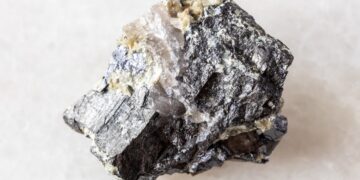
Tungsten is used in tooling, machining, electronics and defense-related applications, and its strategic role has kept it on policymakers’ radar for years. The US critical minerals designation does not automatically trigger export controls, but it does reinforce the view that tungsten is a supply-chain sensitive material worth watching closely.
Looking ahead, much will depend on how the U.S. Department of Commerce defines tungsten scrap in any rulemaking. A narrow definition could target clearly identified high-purity material, while a broader one could sweep in mixed scrap streams and lower-grade residues that recyclers and processors handle as part of more complex recovery operations. That distinction is important because many facilities do not process tungsten as a standalone commodity; they recover it from mixed-metal inputs alongside other materials.
There is also the question of capacity. Even if more tungsten scrap stays in the United States, domestic refining and recovery may not be able to absorb all of it quickly. The USGS notes that seven US companies have the capability to convert tungsten concentrates, ammonium paratungstate, tungsten oxide and scrap into tungsten metal powder, tungsten carbide powder or related products, but that does not mean the market has unlimited room for additional feedstock. If exports are constrained before processing capacity expands, tighter margins for collectors and processors may follow rather than a clean supply win for US manufacturers.
That is why the issue matters to the recycling sector. The proposed controls could support a domestic supply objective, but they could also change where tungsten-bearing scrap goes and what it is worth. If domestic buyers cannot take all of it, prices for certain grades could weaken. If they can, the rule could help keep more material in the US supply chain.
For now, the letter is best understood as a policy push, not a foregone market shift. The practical impact will depend on how the U.S. Department of Commerce defines the scrap, which destinations are covered, and whether domestic processors have the capacity to absorb more of the material now leaving the country.
Tungsten has certainly become part of a larger critical minerals debate. China’s export controls, US critical-mineral status and the effort to retain more scrap at home have created a real policy issue.