




Resource Recycling
  • The Latest
  • Analysis
    • All
    • Certification Scorecard
    • Industry Announcements
    • Opinion
    Plastic packaging

    Why SB 54 source reduction planning is becoming the industry’s most challenging EPR test

    Recycler cites market pressure in short-term closure

    AI, data anxiety push enterprises to destroy working devices: report

    Before the Bin: America’s textile waste problem starts in your closet

    Colorado communities prepare for recycling access project

    How to get the reverse side of supply chains talking with the front-end 

    Aurubis smelter pipe system and chimney.

    Aurubis sends positive signal for metals recovery markets

    Wisconsin prepares for E-Cycle rulemaking

    Reading Asia’s e-scrap recycling market through YDDL

  • Conferences
    • Resource Recycling Conference
    • Plastics Recycling Conference
    • E-Scrap: The Longevity Conference
    • Textiles Recovery Summit
  • Publications
    • E-Scrap News
    • Plastics Recycling Update
    • Policy Now
    • Resource Recycling
    • Other Topics
      • Brand Owners
      • Critical Minerals
      • Glass
      • Grant Watch
      • Markets
      • Organics
      • Packaging
      • Research
      • Technology
      • Textiles
      • All Topics
Subscribe
No Result
View All Result
Resource Recycling
  • The Latest
  • Analysis
    • All
    • Certification Scorecard
    • Industry Announcements
    • Opinion
    Plastic packaging

    Why SB 54 source reduction planning is becoming the industry’s most challenging EPR test

    Recycler cites market pressure in short-term closure

    AI, data anxiety push enterprises to destroy working devices: report

    Before the Bin: America’s textile waste problem starts in your closet

    Colorado communities prepare for recycling access project

    How to get the reverse side of supply chains talking with the front-end 

    Aurubis smelter pipe system and chimney.

    Aurubis sends positive signal for metals recovery markets

    Wisconsin prepares for E-Cycle rulemaking

    Reading Asia’s e-scrap recycling market through YDDL

  • Conferences
    • Resource Recycling Conference
    • Plastics Recycling Conference
    • E-Scrap: The Longevity Conference
    • Textiles Recovery Summit
  • Publications
    • E-Scrap News
    • Plastics Recycling Update
    • Policy Now
    • Resource Recycling
    • Other Topics
      • Brand Owners
      • Critical Minerals
      • Glass
      • Grant Watch
      • Markets
      • Organics
      • Packaging
      • Research
      • Technology
      • Textiles
      • All Topics
Subscribe
No Result
View All Result
Resource Recycling
No Result
View All Result
Home E-Scrap

Global e-scrap recycling rate has stagnated, study finds

byJared Paben
July 9, 2020
in E-Scrap
Scrap electronics for recycling.
The U.N. report also notes that the number of countries with national e-scrap policies, legislation or regulations increased from 61 in 2014 to 78 in 2019. | sasirin pamai/Shutterstock

A United Nations report estimates that 17.4% of e-scrap generated globally was recycled in 2019, well short of a goal of 30% by 2023.

Published this month, the third edition of the Global E-Waste Monitor report estimates 53.6 million metric tons of scrap electronics and electrical appliances were generated in 2019. That was up by 21% over five years. In the report, “e-waste” is defined as material that’s discarded by its owner as waste without the intent of reuse.

Globally, the weight officially documented as collected and recycled was 9.3 million metric tons in 2019, up 24% over five years.

Those numbers mean the global electronics recycling rate for 2019 was 17.4%, up slightly from 16.9% in 2014.

“More and more people are joining the global information society and digital economy, and are benefiting from the opportunities they offer,” according to the International Telecommunications Union, a specialized agency of the U.N. that collaborated on the report. “In parallel, higher levels of disposable incomes, urbanisation, and industrialisation in many developing countries are leading to growing amounts of electrical and electronic equipment (EEE) and, consequently, to greater amounts of e-waste.”

In 2018, the ITU established a target to increase the recycling rate to 30% by 2023. “The formal collection and recycling rate would have to increase at a much faster pace in order to hit that target,” according to the ITU.

The report also notes the number of countries with national e-scrap policies, legislation or regulations increased from 61 in 2014 to 78 in 2019. Those 78 countries account for 71% of the world’s population.

The Global E-Waste Monitor noted in some of the countries that have put those policies and laws in place, regulatory advances are slow, enforcement is poor, and the policies and laws haven’t stimulated proper e-scrap management because of a lack of investment and political motivation. The regulations in different countries also tend to cover different products, making it difficult to compare statistics.

Significant regional differences

The 2019 figures were broken out by different regions in terms of total weight generated, per capita generation and recycling rate.

Of the total 53.6 million metric tons generated last year, 24.9 million metric tons was generated in Asia, 13.1 million metric tons in the Americas, 12 million metric tons in Europe, 2.9 million metric tons in Africa and 700,000 metric tons in Oceania.

On a per-capita basis, world generation averaged 7.3 kilograms. By region, it was 16.2 kilograms in Europe, 16.1 kilograms in Oceania, 13.3 kilograms in the Americas, 5.6 kilograms in Asia and 2.5 kilograms in Africa.

The recycling rate was 42.5% in Europe, 11.7% in Asia, 9.4% in the Americas, 8.8% in Oceania and 0.9% in Africa.

The Global E-Waste Monitor report is a collaboration between multiple organizations: United Nations University, the United Nations Institute for Training and Research (UNITAR), the ITU and the International Solid Waste Association.


Tags: Industry GroupsResearch
TweetShare
Jared Paben

Jared Paben

Related Posts

Industry descends on DC to fight for PET

Industry descends on DC to fight for PET

byAntoinette Smith
May 13, 2026

Amid numerous recent hits to the common packaging plastic, a stakeholder coalition is engaging with policy makers to encourage policy...

SWANA hires new executive director

APR, RecyClass wrap up third year of collaboration

byAntoinette Smith
May 12, 2026

The North American and EU organizations are working together to harmonize global recyclability standards.

APR, industry groups testify on overcapacity

APR, industry groups testify on overcapacity

byAntoinette Smith
May 8, 2026

Steve Alexander, CEO of APR, pointed to China as driving global oversupply despite fluctuating PET imports to the US and...

Lawsuits hover days after SB 54 approval

Lawsuits hover days after SB 54 approval

byStefanie Valentic
May 6, 2026

NRDC and Californians Against Waste are suing CalRecycle over finalized EPR regulations they say unlawfully allow chemical recycling and other...

Lithium-ion battery recycler to build New York facility

Why battery EPR doesn’t have a packaging problem

byStefanie Valentic
May 4, 2026

While packaging EPR fights injunctions, battery EPR has achieved a mostly harmonized legal framework across nearly every state that has...

Electronics are the fire risk battery EPR keeps missing

Electronics are the fire risk battery EPR keeps missing

byStefanie Valentic
May 4, 2026

Most battery EPR frameworks don't cover what's actually igniting in collection trucks.

Load More
Next Post
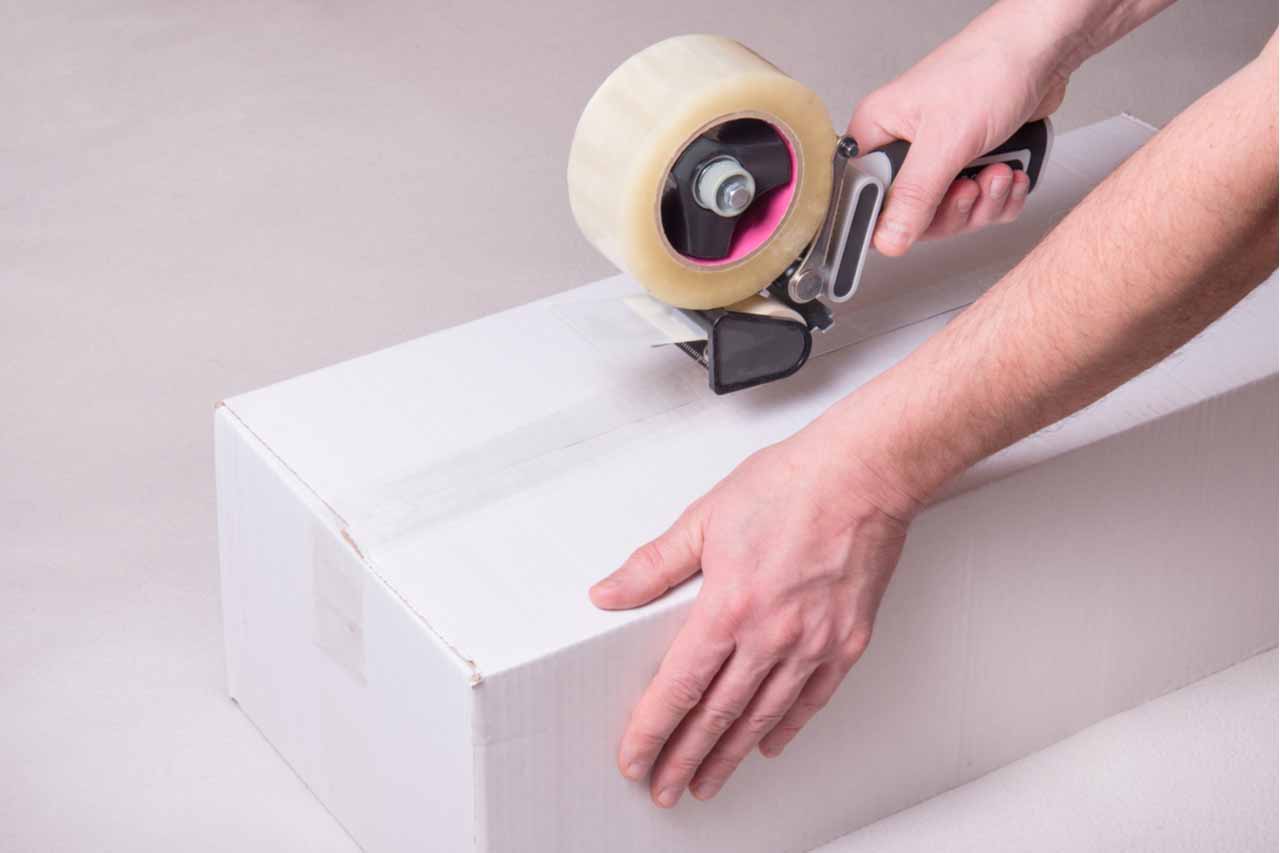
Taping a box for shipping.

For more processors, 'mailing it in' means opportunity

More Posts

Bottle bill backers see opportunity for action

PET collapse exposes gaps in US recycling infrastructure

May 15, 2026
Niagara acquires rPlanet Earth assets in California

Niagara acquires rPlanet Earth assets in California

May 15, 2026
Extruder pushes out natural HDPE pellets at KW Plastics in Troy, Alabama.

Rare look inside the world’s largest plastics recycler

May 13, 2026
NJ e-scrap legislation

NJ qualifies PureCycle PP for minimum PCR law

May 14, 2026

American Battery Technology confirms second site

May 13, 2026
Back-to-school 2026/27: Apple vs. Google

Back-to-school 2026/27: Apple vs. Google

May 13, 2026
Retail aisle with paper and plastic packaging.

Loblaw’s recyclability push could reshape packaging design across North America

May 14, 2026
Surveys examine gaps in consumer recycling education

Study finds lack of proper battery disposal

May 13, 2026
Plastic packaging

Why SB 54 source reduction planning is becoming the industry’s most challenging EPR test

May 19, 2026
APR, industry groups testify on overcapacity

APR, industry groups testify on overcapacity

May 8, 2026
Load More

About & Publications

About Us

Staff

Archive

Magazine

Work With Us

Advertise
Jobs
Contact
Terms and Privacy

Newsletter

Get the latest recycling news and analysis delivered to your inbox every week. Stay ahead on industry trends, policy updates, and insights from programs, processors, and innovators.

Subscribe

Welcome Back!

Login to your account below

Forgotten Password?

Retrieve your password

Please enter your username or email address to reset your password.

Log In

Add New Playlist

No Result
View All Result
  • The Latest
  • Analysis
  • Recycling
  • E-Scrap
  • Plastics
  • Policy Now
  • Conferences
    • E-Scrap Conference
    • Plastics Recycling Conference
    • Resource Recycling Conference
    • Textiles Recovery Summit
  • Magazine
  • About Us
  • Advertise
  • Archive
  • Jobs
  • Staff
Subscribe
This website uses cookies. By continuing to use this website you are giving consent to cookies being used. Visit our Privacy and Cookie Policy.