




AI will increase e-scrap, but reuse can help
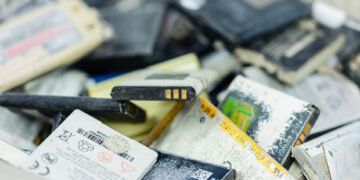
As artificial intelligence continues to ramp up, researchers said the computing-heavy tool could lead to skyrocketing volumes of end-of-life electronics and called for equal attention to asset management.


As artificial intelligence continues to ramp up, researchers said the computing-heavy tool could lead to skyrocketing volumes of end-of-life electronics and called for equal attention to asset management.
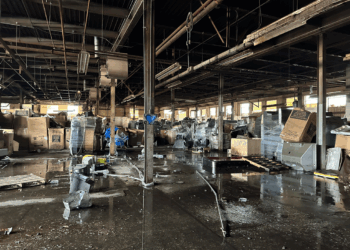
Sandwiched between a quiet residential neighborhood and a tree-lined multi-use trail, a 10-year-old cathode ray tube and assorted e-scrap stockpile in West Bend, Wisconsin, is finally being removed and disposed of at an estimated cost of $3.2 million.

Plastics recycling firms continue to process about 958 million pounds of post-industrial PVC and 142 million pounds of post-consumer, non-packaging PVC each year, together accounting for an estimated 27% of annual North American PVC waste generation, the Vinyl Sustainability Council said this week.

Paper packaging giant Greif is the latest containerboard producer to announce a price hike for the recycled fiber end product at the beginning of 2025, employing a tool the company has used throughout this year to offset higher OCC feedstock costs and account for other cost growth.

A growing end market for mixed paper, plastic and cartons abruptly closed this fall.
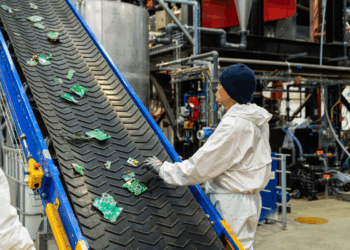
Mint Innovation, an Australian company that is scaling up a hydrometallurgical technology to recover precious metals from e-scrap, this week began construction on a $20 million refinery in Texas capable of processing nearly 9 million pounds per year of printed circuit boards.

A recent study has focused public attention on household products containing plastic that the authors suggest was recovered from electronics, raising safety concerns about chemicals contained within the recycled content.
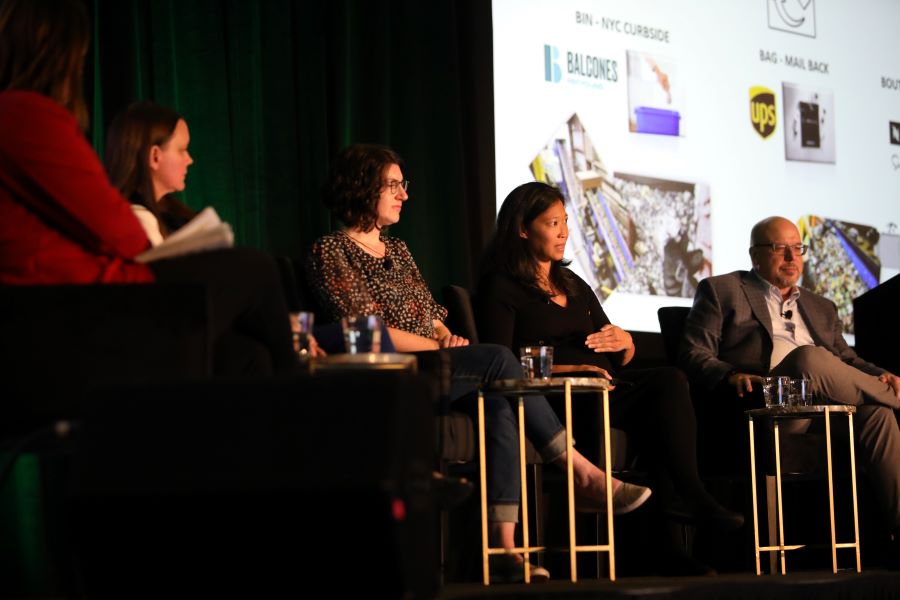
Faced with challenges moving recycled materials in recent years, MRFs and curbside recycling programs have occasionally opted to stop accepting certain materials, particularly experimental or harder-to-market packaging types.
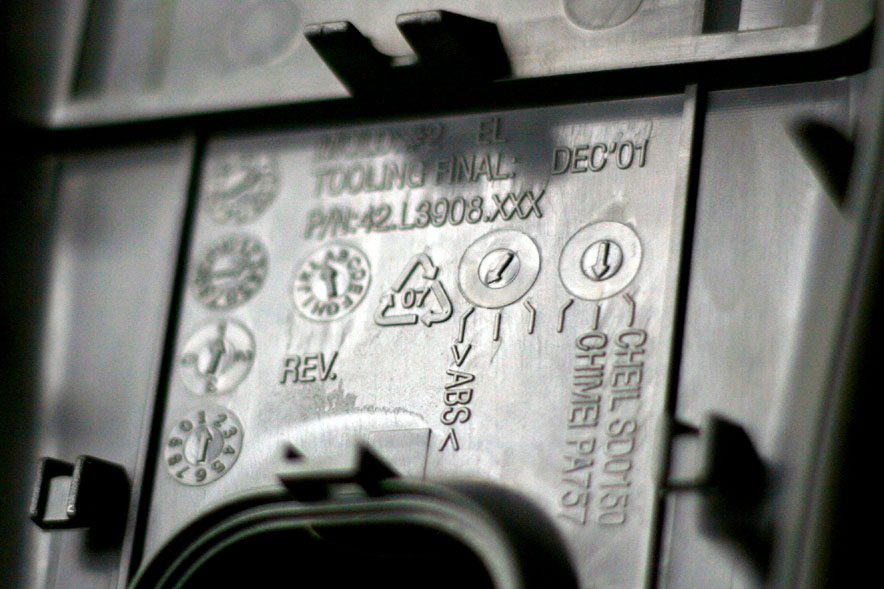
A recent study has focused public attention on household products containing plastic that the authors suggest was recovered from electronics, raising safety concerns about chemicals contained within the recycled content.
Accepting new materials at the curb boils down to a simple equation, according to speakers at the 2024 Resource Recycling Conference last month: Sortability plus long-term, established end markets equals MRF acceptance.