









Resource Recycling
  • The Latest
  • Analysis
    • All
    • Certification Scorecard
    • Industry Announcements
    • Opinion
    EPR fees are a market signal. Here’s what they’re telling you.

    EPR fees are a market signal. Here’s what they’re telling you.

    Wolframite ore, the primary ore of tungsten from Altai, Russia

    Tungsten scrap export controls draw industry attention

    Certification Scorecard — Week of April 6, 2026

    Closed Loop Partners acquires Sutter Metals, connecting electronics disposition to metals recovery

    Certification Scorecard — Week of March 30, 2026

    Industry announcements for January 2026

    Industry announcements for April 2026

    Certification scorecard – Week of March 23, 2026

    Certification Scorecard – Week of March 16, 2026

    Groups identify recovered plastics users in the Northeast

    Bale pricing for recycled plastics diverges

  • Conferences
  • Publications

    Other Topics

    Textiles
    Organics
    Packaging
    Glass
    Brand Owners

    Metals
    Technology
    Research
    Markets
    Grant Watch

    All Topics

Subscribe
No Result
View All Result
Resource Recycling
  • The Latest
  • Analysis
    • All
    • Certification Scorecard
    • Industry Announcements
    • Opinion
    EPR fees are a market signal. Here’s what they’re telling you.

    EPR fees are a market signal. Here’s what they’re telling you.

    Wolframite ore, the primary ore of tungsten from Altai, Russia

    Tungsten scrap export controls draw industry attention

    Certification Scorecard — Week of April 6, 2026

    Closed Loop Partners acquires Sutter Metals, connecting electronics disposition to metals recovery

    Certification Scorecard — Week of March 30, 2026

    Industry announcements for January 2026

    Industry announcements for April 2026

    Certification scorecard – Week of March 23, 2026

    Certification Scorecard – Week of March 16, 2026

    Groups identify recovered plastics users in the Northeast

    Bale pricing for recycled plastics diverges

  • Conferences
  • Publications

    Other Topics

    Textiles
    Organics
    Packaging
    Glass
    Brand Owners

    Metals
    Technology
    Research
    Markets
    Grant Watch

    All Topics

Subscribe
No Result
View All Result
Resource Recycling
No Result
View All Result
Home E-Scrap

E-scrap firms could be affected by OSHA metal move

byJared Paben
January 11, 2017
in E-Scrap
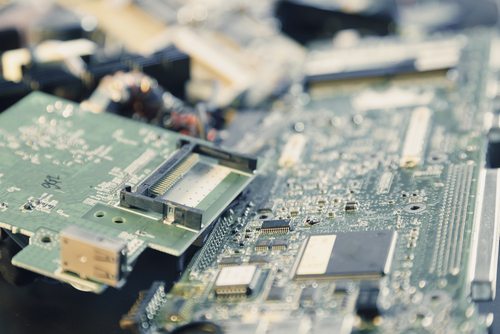
Pile of circuit boards for recycling.

The federal government has dramatically lowered permissible exposure limits for beryllium, a metal used in some electronics.

The U.S. Occupational Safety and Health Administration (OSHA) released new limits regarding the amount of beryllium workers can be exposed to.

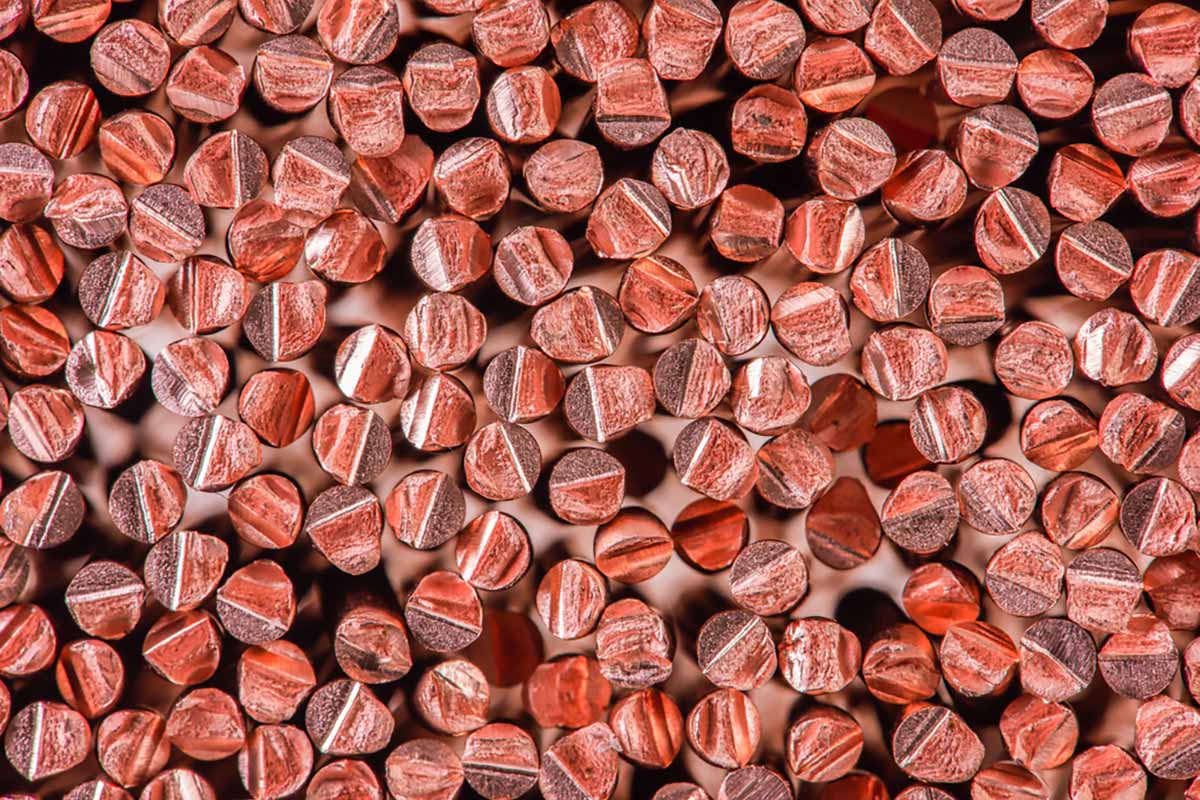
The lower limits could affect e-scrap companies shredding printed circuit boards and other components. Beryllium, often alloyed with copper or aluminum, is used in automotive electronics, computer components, home appliance parts and other products.

OSHA’s final rule sets a new permissible exposure limit for beryllium at 0.2 micrograms per cubic meter of air, averaged over eight hours. The previous limit, set four decades ago, was 2 micrograms per cubic meter of air. The new rule also sets a short-term exposure limit: 2 micrograms per cubic meter over a 15-minute period.

The rule also requires employers to use engineering or work practice controls, such as ventilation or enclosure, to limit worker exposure to the strong, lightweight metal. According to an OSHA press release, employers must also provide respirators when controls can’t adequately limit exposure, limit worker access to high-exposure areas, develop a written exposure plan and train workers on hazards.

They must also make medical exams available to exposed workers, and they must provide medical removal protection benefits to workers who suffer a beryllium-related disease.

Disease and cancer concerns

The new rule is based on an updated review of scientific literature on the dangers of beryllium dust, mist and fumes.

“OSHA has determined that employees exposed to beryllium at the previous permissible exposure limits face a significant risk of material impairment to their health,” according to the rule. “The evidence in the record for this rulemaking indicates that workers exposed to beryllium are at increased risk of developing chronic beryllium disease and lung cancer.”

According to OSHA, testing at electronics recycling and precious metal recovery operations indicates that the exposure of workers engaged in mechanical processing can be reduced below the new limits.

But at secondary smelting furnace operations, surveys show median exposure levels exceed the limit . That’s because furnaces produce significant amounts of fumes and particles that can be difficult to contain. In those cases, some furnace workers will need respirators to protect them, according to OSHA.

The agency considered a lower limit of 1 microgram per cubic meter of air but found it wasn’t achievable in many of the affected industries. That was true for secondary smelting, refining and alloying, including the handling of scrap and recycled materials, according to OSHA.

National Jewish Health, a medical center specializing in research and treatment of chronic beryllium disease, testified to OSHA that the disease has been reported in the aluminum industry. The medical center also continues to to see severe chronic beryllium disease in workers involved in medical device recycling and metals reclamation.

OSHA’s final rule was published in the Federal Register on Jan. 9.
TweetShare
Jared Paben

Jared Paben

Related Posts

WM opens new $60m MRF in Indy

byAntoinette Smith
April 10, 2026

The newest recycling facility has annual capacity of 200,000 tons and will send all mixed paper to Pratt Industries for...

Oregon’s battery EPR bill officially charged for implementation

byStefanie Valentic
April 10, 2026

Oregon Governor Tina Kotek signed HB 4144 into law on April 7, setting into motion the mechanics for an extended...

EPR fees are a market signal. Here’s what they’re telling you.

EPR fees are a market signal. Here’s what they’re telling you.

byChristine Yeager
April 10, 2026

EPR is not asking companies to be perfect, but rather to be honest about what their packaging costs the system,...

German demo plant targets lithium recovery from battery scrap

byScott Snowden
April 10, 2026

Tozero has opened a demo plant processing 1,500 metric tons of battery scrap yearly, recovering lithium, graphite and nickel-cobalt to...

Bill to update New Jersey e-scrap program heads to governor

New Jersey recyclers talk EPR

byBrian Clark Howard
April 9, 2026

At the Association of New Jersey Recyclers’ spring meeting industry representatives discussed the state and future of the sector.

Wolframite ore, the primary ore of tungsten from Altai, Russia

Tungsten scrap export controls draw industry attention

byDavid Daoud
April 9, 2026

Businesses that rely on tungsten are urging the U.S. Department of Commerce to consider export controls on tungsten scrap.

Load More
Next Post
NJ e-scrap legislation

Updated e-scrap law in New Jersey 'not a panacea'

More Posts

Wineries help create model for film recycling

Wineries help create model for film recycling

April 7, 2026
With RPET in crisis, focus turns to solutions

With RPET in crisis, focus turns to solutions

April 2, 2026

Trafigura signs $1.1b deal for recycled battery metals

April 8, 2026
End markets, policy key to RPET viability

End markets, policy key to RPET viability

April 8, 2026
PCA closing Richmond plant

PCA closing Richmond plant

April 2, 2026
Oregon’s Recycling Modernization Act faces injunction

Why EPR’s biggest obstacle might not be legislation

April 6, 2026
EPR fees are a market signal. Here’s what they’re telling you.

EPR fees are a market signal. Here’s what they’re telling you.

April 10, 2026
Wolframite ore, the primary ore of tungsten from Altai, Russia

Tungsten scrap export controls draw industry attention

April 9, 2026

Apparel retailer organization challenges SB 707 textile PRO selection

April 2, 2026

Independents complement primary PRO in state EPR

April 6, 2026
Load More

About & Publications

About Us

Staff

Archive

Magazine

Work With Us

Advertise
Jobs
Contact
Terms and Privacy

Newsletter

Get the latest recycling news and analysis delivered to your inbox every week. Stay ahead on industry trends, policy updates, and insights from programs, processors, and innovators.

Subscribe

Welcome Back!

Login to your account below

Forgotten Password?

Retrieve your password

Please enter your username or email address to reset your password.

Log In

Add New Playlist

No Result
View All Result
  • The Latest
  • Analysis
  • Recycling
  • E-Scrap
  • Plastics
  • Policy Now
  • Conferences
    • E-Scrap Conference
    • Plastics Recycling Conference
    • Resource Recycling Conference
    • Textiles Recovery Summit
  • Magazine
  • About Us
  • Advertise
  • Archive
  • Jobs
  • Staff
Subscribe
This website uses cookies. By continuing to use this website you are giving consent to cookies being used. Visit our Privacy and Cookie Policy.