






Resource Recycling
  • The Latest
  • Podcast
  • Analysis
    • All
    • Certification Scorecard
    • Industry Announcements
    • Opinion

    E-scrap feedstock competition mixed amid investments

    Open pit copper mine in Arizona.

    Trump touts aggressive US critical mineral goals

    From claims to custody: PCR procurement grows up

    Certification scorecard — week of Nov. 16

    Adam Gendell

    PET producers ride ‘local for local’ wave

    May pricing bullish for most bales

    HDPE resists seasonal, economic forces

    IT asset disposition and electronics recycling: Now and then

    Data center moratoriums cast development shadow

  • Conferences
    • Resource Recycling Conference
    • Plastics Recycling Conference
    • E-Scrap: The Longevity Conference
    • Textiles Recovery Summit
  • Publications
    • E-Scrap News
    • Plastics Recycling Update
    • Policy Now
    • Resource Recycling
    • Other Topics
      • All Topics
      • Brand Owners
      • Critical Minerals
      • Glass
      • Grant Watch / RFPs
      • Markets
      • Organics
      • Packaging
      • Research
      • Technology
      • Textiles
Subscribe
No Result
View All Result
Resource Recycling
No Result
View All Result
Home Recycling

Groups question US-Canada Basel arrangement

Colin StaubbyColin Staub
December 15, 2020
in Recycling
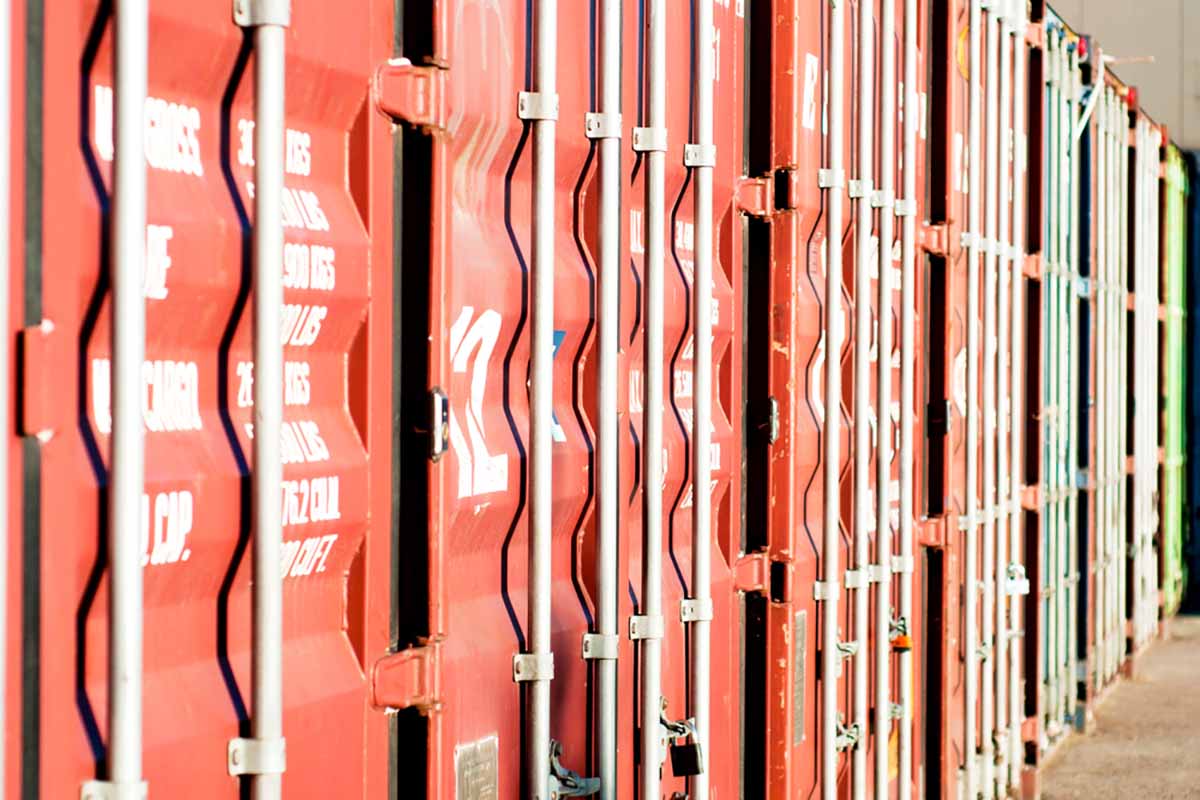
Because the U.S. is not a party to the Basel Convention, exports to the 180-plus countries that are parties to the convention will be more complicated, or may even be prohibited by local laws. | AnkaFed/Shutterstock

The U.S. government has made public an agreement with Canada to continue scrap plastic shipments despite global regulations tightening next year. Environmental advocates are troubled by the deal.

The U.S. State Department on Dec. 7 published the text of a recent U.S.-Canada agreement covering the trade of recycled plastic between the two countries. The Canadian government published the agreement as well.

Signed by both countries in October, the agreement aims to maintain the countries’ plastic trade relationship in light of upcoming changes to global rules on scrap plastic shipments. The Basel Convention, a global treaty on waste shipments, will begin tighter scrutiny on scrap plastic shipments next year.

A coalition of environmental organizations expressed concern with the new U.S.-Canada agreement, and they are asking the Canadian government to adopt stricter control measures for scrap plastic trade with the U.S.

“In addition to the secretive manner in which the agreement was negotiated, we are concerned that in signing the agreement Canada will be in violation of its legal obligations under the Basel Convention when the Convention’s plastic wastes provisions come into effect on January 1, 2021,” the organizations wrote in a Dec. 2 letter.

The letter was signed by the Basel Action Network and RightOnCanada.ca on behalf of themselves and the International Pollutants Elimination Network (IPEN), the Center for International Environmental Law (CIEL), Friends of the Earth, HEJSupport, Environmental Investigation Agency, the Global Alliance for Incinerator Alternatives, the Plastic Pollution Coalition, The Last Beach Cleanup and the Surfrider Foundation.

Agreement maintains existing guidelines

Numerous countries will incorporate new Basel Convention rules on scrap plastic imports beginning in January. The rules generally increase oversight of scrap plastic shipments, by requiring exporters to provide notification and receive consent from importing countries before shipping scrap plastic.

Because the U.S. is not a party to the Basel Convention, exports to the 180-plus countries that are parties to the convention will be more complicated, or may even be prohibited by local laws. Experts are uncertain exactly how trade between the U.S. and party countries will be impacted.

With the new U.S.-Canada agreement, which is part of a wider Basel Convention trade arrangement between the two countries, the upcoming scrap plastic shipment restrictions would seemingly not cover most material moving across the U.S.-Canada border. Canada is the largest importer of U.S. scrap plastic.

The document references environmental and economic benefits from the global trade of recyclables. It also describes both countries’ “longstanding commitment to the environmentally sound management of waste and scrap, and their record of successful coordination and cooperation concerning the transboundary movement of waste and scrap,” according to the text.

Citing these and other factors, the agreement suggests trade of non-hazardous recyclables, which includes typical scrap plastic exports, will continue under their current guidelines. These include both countries having the capacity and intention to manage this material “in an environmentally sound manner,” whether it is recycled, disposed of or processed in another manner.

Groups take issue with deal

In their letter, the environmental advocacy organizations laid out several key concerns with the U.S.-Canada agreement.

They stated that, in order to meet Basel Convention rules on agreements between a party and non-party country, the U.S.-Canada agreement must include provisions that are “not less environmentally sound” than the terms of the Basel Convention. The letter makes the case that if the U.S.-Canada plastic trade continues as normal, it will be less environmentally sound than if it were subject to Basel Convention rules.

“We are deeply concerned that the Canada-United States Arrangement on export of plastic wastes, which Canada initiated and signed on October 26, 2020, thus does not comply with the Basel Convention and further sends a message to the world that Canada is willing to violate international law and wants the environmental trade rules they helped negotiate to apply to others but not to themselves or their trading partners,” the letter stated.

The environmental groups also expressed trepidation that the agreement could allow Canadian exporters to ship material to the U.S. and have it be exported from there without the Basel Convention controls. Canada’s environmental protection department, Environment and Climate Change Canada, wrote in a summary of the agreement that this type of trade would be “excluded from the Arrangement” between the two countries.

Environment and Climate Change Canada declined to comment to Resource Recycling on the letter by press time. However, the department wrote that the U.S.-Canada pact is compatible with the terms of the Basel Convention.

“The principles of the Arrangement are based on the environmentally sound management of non-hazardous waste and scrap traded between Canada and the United States,” the department stated in its summary document. “The Arrangement affirms that Canada and the United States manage such waste in an environmentally sound manner, and intend to maintain measures to provide for the environmentally sound management of such waste and scrap in order to protect human health and the environment.”

A version of this story appeared in Plastics Recycling Update on December 9.

 

Tags: CanadaPlasticsTrade & Tariffs
TweetShare
Colin Staub

Colin Staub

Colin Staub was a reporter and associate editor at Resource Recycling until August 2025.

Related Stories

E-scrap feedstock competition mixed amid investments

byDavid Daoud
November 19, 2026

New facilities are coming online across three continents, but disclosed intake volumes and purchasing terms offer little evidence that refiners...

RecyClass hits 500 EU recyclability evals

EU PET import codes set to begin

byAntoinette Smith
November 18, 2026

The new codes for PET flake will take effect in January, but the global impact remains to be seen, according...

Dow bullish on PE pricing into 2027

Dow bullish on PE pricing into 2027

byAntoinette Smith
October 23, 2026

Executives cited elevated feedstock costs, lower inventories and constrained production resulting from the US war in Iran as support for...

Aclara makes mineral push as production nears

Aclara makes mineral push as production nears

byPaul Lane
October 22, 2026

The company seeks additional funds to finance its Western Hemisphere supply chain, which it envisions as an alternative to Chinese-sourced...

APR, PROs appeal to Ottawa for help

APR, PROs appeal to Ottawa for help

byAntoinette Smith
October 6, 2026

APR and Circular Materials say policy goals risk failure without government actions that acknowledge market realities.

SC Johnson CEO: Recycling needs policy fix

byStefanie Valentic
October 5, 2026

Decades of voluntary packaging work have hit an economic wall. EPR and stronger regulation are what will move the needle.

Load More
Next Post

Scrap paper, plastic and metal prices all rise in December

2026 Buyers’ Guide

Equipment, services and technology suppliers serving the recycling industry.

Browse the Guide

More Posts

Closeup of PP with a chasing arrows recycling symbol.

PureCycle, WM sign rare 3-year bales contract

November 16, 2026

Goodwill eyes EPR revenue, starting with waste audit

November 12, 2026

Alphabet’s Materra wants recyclers to see molecules, not bottles

November 13, 2026
The missing link in e-plastic recycling

The missing link in e-plastic recycling

October 28, 2026
PureCycle sees easing headwinds to R-PP adoption

PureCycle shifts focus, secures feedstock

November 5, 2026
Adam Gendell

PET producers ride ‘local for local’ wave

November 16, 2026
NexPoint Materials to shutter Alabama plastics plant

NexPoint Materials to shutter Alabama plastics plant

November 4, 2026
Solarcycle, Korea Zinc merge in critical mineral venture

Solarcycle, Korea Zinc merge in critical mineral venture

November 18, 2026
Modern Mining raises $40 million in IPO

Modern Mining raises $40 million in IPO

November 12, 2026
RecyClass hits 500 EU recyclability evals

EU PET import codes set to begin

November 18, 2026
Load More

About & Publications

About Us

Staff
Job Listings

Archive

Magazines

Work With Us

Advertise
Contact
Terms and Privacy

Newsletters

Get the latest recycling news and analysis delivered to your inbox every week. Stay ahead on industry trends, policy updates, and insights from programs, processors, and innovators.

Subscribe

Welcome Back!

Login to your account below

Forgotten Password?

Retrieve your password

Please enter your username or email address to reset your password.

Log In

Add New Playlist

No Result
View All Result
  • The Latest
  • Podcast
  • Analysis
  • Recycling
  • E-Scrap
  • Plastics
  • Policy Now
  • Conferences
    • E-Scrap Conference
    • Plastics Recycling Conference
    • Resource Recycling Conference
    • Textiles Recovery Summit
  • Magazines – Old
  • About Us
  • Advertise
  • Archive
  • Job Listings
  • Staff
Subscribe
This website uses cookies. By continuing to use this website you are giving consent to cookies being used. Visit our Privacy and Cookie Policy.